Maison d’Érasme shines a light on its censored texts
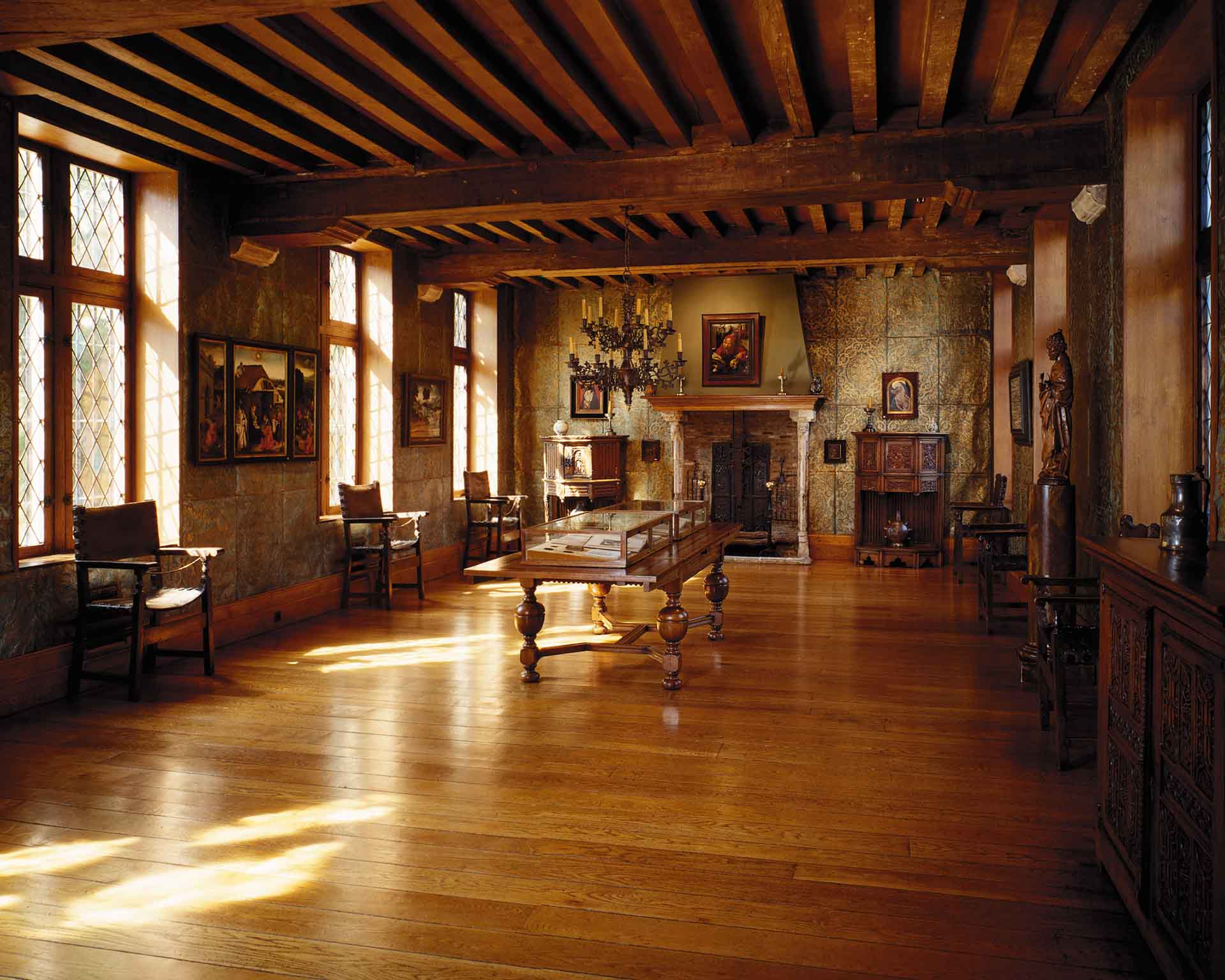
MEMORIST just completed a new project in Belgium at the Maison d’Érasme museum in Anderlecht. This commission is unique in a number of ways: First, due to the specialised processing of the collections (object-mode digitisation followed by page-by-page digitisation with a restricted 45° opening angle), and secondly, because of the distinctive characteristics of the collections.
A further distinctive feature of the project is its tripartite structure, with MEMORIST working closely alongside the Maison d’Érasme, custodian of the relevant collections, and the Digital Heritage Department (Central Administration for Culture) for the Wallonia-Brussels Federation, which is backing the initiative financially under the Pep’s Plan.
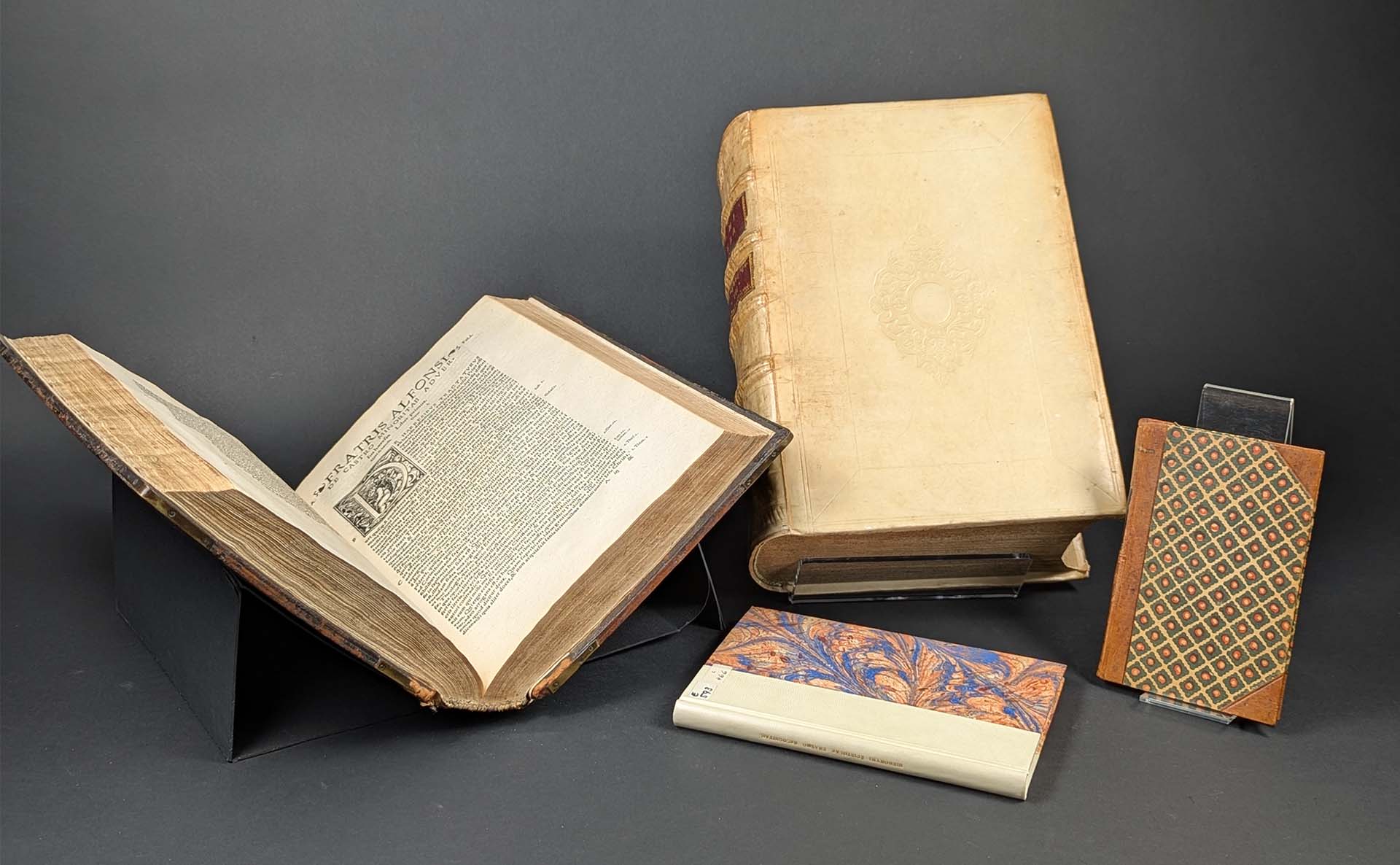
MEMORIST was selected via public tender to digitise 49 rare works from the museum’s Erasmus collection, all of which testify to the censorship practices of the 16th and 17th centuries. Although Erasmus was not censored during his lifetime, a number of his works were placed on the Index of Prohibited Books and censored during the 16th century: pages were cut out, passages were obscured with iron gall ink, slips of paper were glued over words, texts were crossed out, content was expurgated, and so forth.
Project executed in situ in Anderlecht
The work will be carried out over two months, covering both the digitisation phase and quality control performed by the MEMORIST team, museum staff and Digital Heritage Department.
MEMORIST elected to hire Jean-Charles B., a locally-based professional photographer with solid expertise in heritage digitisation and experienced in handling and binding old documents.
MEMORIST was the only service provider to suggest this 45° digitisation solution alongside a bespoke, heritage and technical approach.
Since 2001, MEMORIST has acquired expertise in on-site digitisation, from hiring and training operators to setting up the right production tools and project monitoring. As a result, we can guarantee our clients optimal digitisation quality within the project’s agreed timeframe.
Document-by-document capture in object mode…
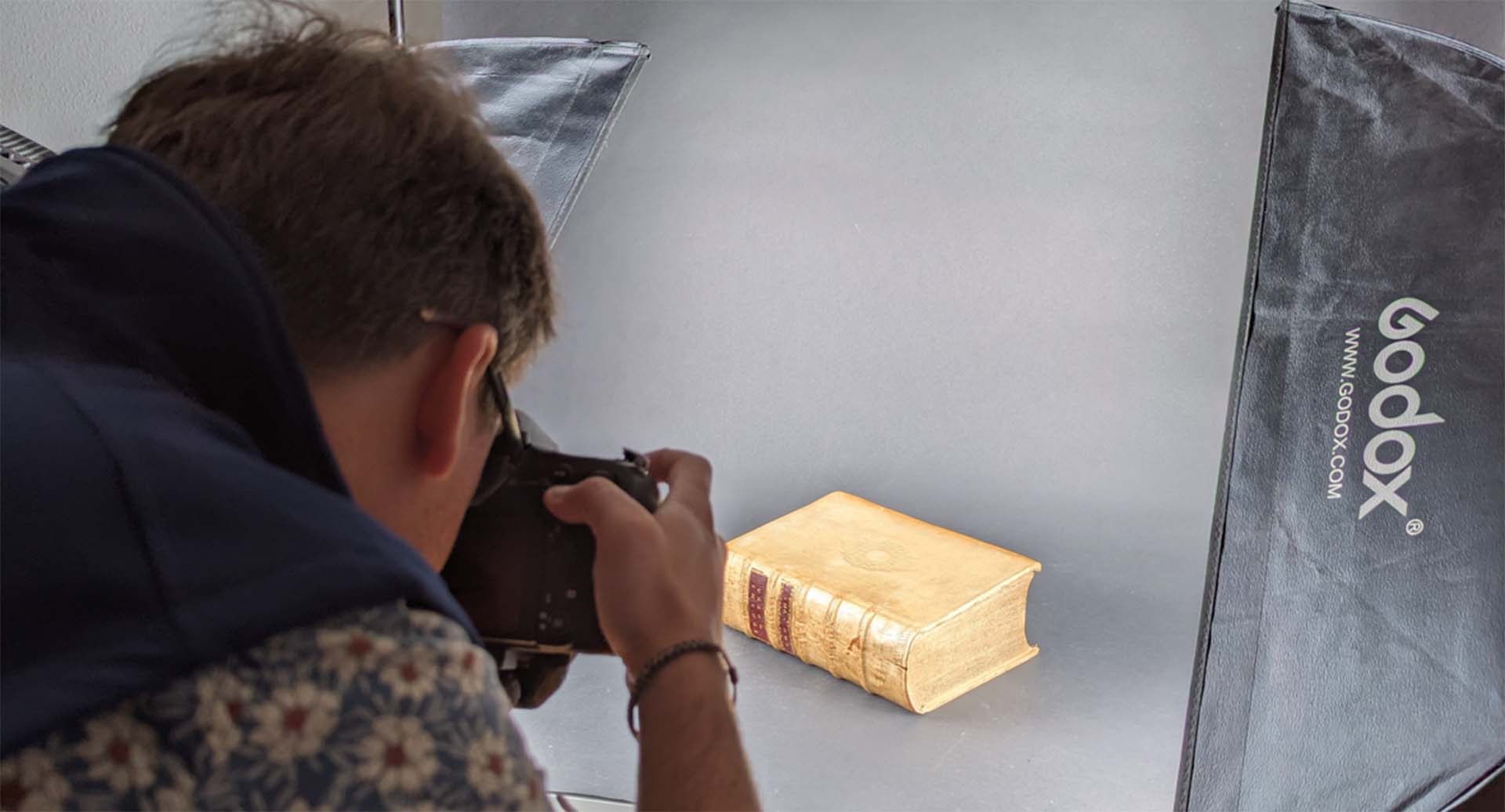
Under the terms of the contract, four views are to be generated for each of the 49 documents:
- Isometric overview
- Rear
- Front cover
- Back cover
In response to Maison d’Érasme’s request, we set up a custom configuration that has already been tested during previous projects. For the best results, our technical teams installed a fully outfitted photographic studio on site consisting of a digital back, two softbox lights and a system for creating a uniform background.
…supplemented with a 45° scan
Once the object-mode digitisation is completed, the documents will undergo 2D scanning to produce a total of 25,000 single-page views.
An additional unique feature of this notably unusual project is the need to digitise the documents at a 45° angle owing to their unmistakable fragility and the restricted opening angle dictated by the nature of the material.
The scanner boasts a customised process for capturing and managing tasks. The central mirror, inserted between the pages, reflects the document’s image and enables its photographic capture. All the right-hand pages are scanned first. When this process is complete, the scanning operator inverts the book to capture all the left-hand pages, which are photographed in reverse.
Once the document has been scanned, the integrated software will automatically rotate the images and reinsert them in the correct order.
The Maison d’Érasme is also keen to obtain close-up images within pages, particularly censors’ annotations or distinctive engravings.
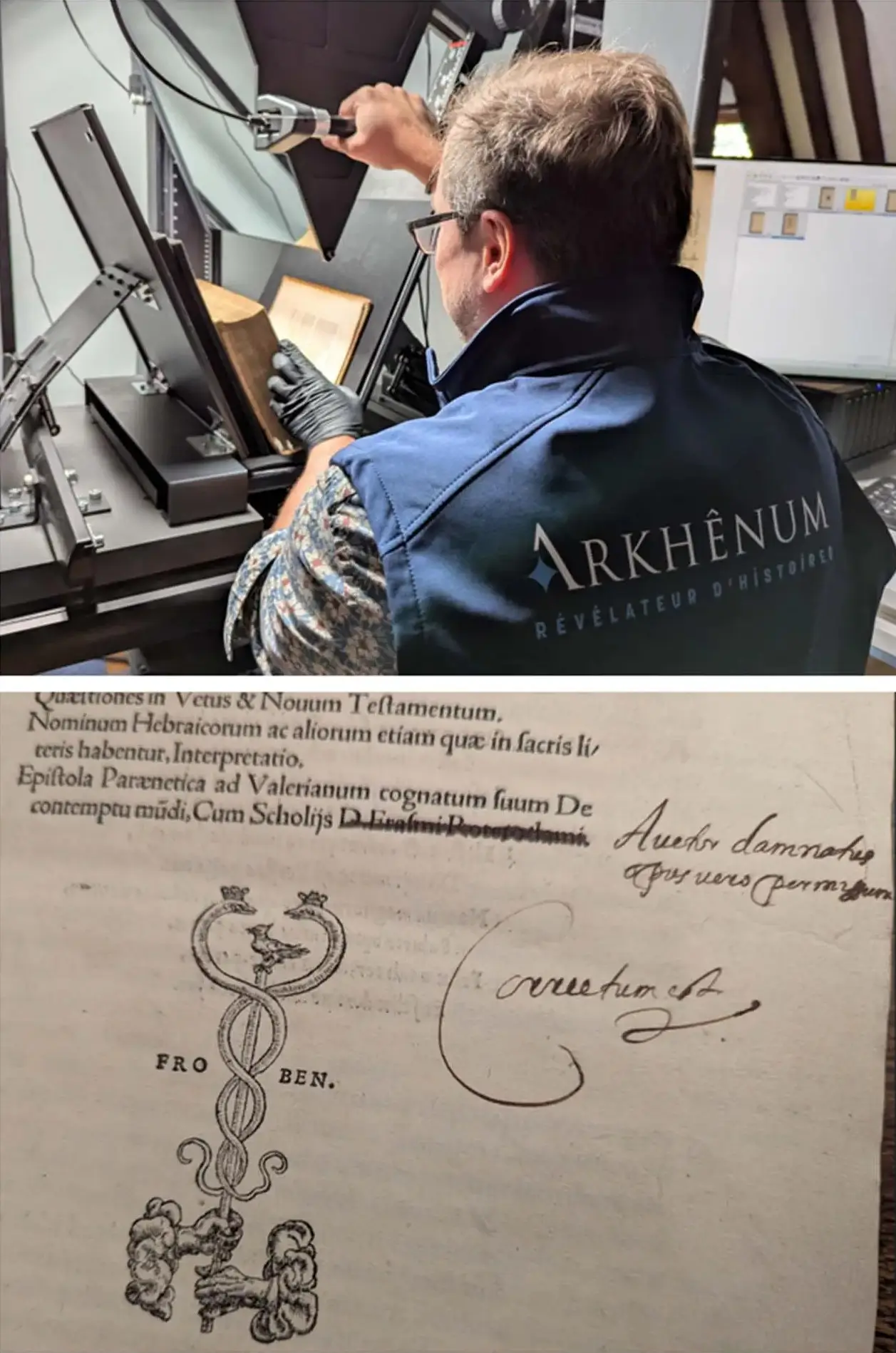
Restricted-opening scanning: a growing demand
The least complex collections for digitisation have mostly been completed. Heritage organisations are increasingly launching initiatives dedicated to particular holdings: documents that need to be cleaned prior to digitisation; collections of objects that require 360° or 3D digitisation; and audiovisual collections, not to mention items with restricted opening that cannot be processed with 120 or 90° opening angles.
MEMORIST has already performed similar 45° services, in particular for the project carried out at the German National Library in Leipzig. Here the teams digitised over 200,000 pages on site covering a total of 600 works.
Would you like to know more about 45° scanning? Or do you have a project that requires this type of equipment? Get in touch.