Video games have their own (virtual) museum too
Yes, video games are part of our shared history! And as such, the video game industry deserves a museum of its own to preserve and document its history, a source of creativity and innovation. So that everyone can benefit from this knowledge, the International Computer Game Collection (ICS) virtual museum provides access to detailed information on more than 42,000 video games developed for consoles and computers.
The resulting database has become the world’s largest collection of video and computer games, past and present, with over 42,000 titles. It therefore makes an essential contribution to preserving our digital and cultural heritage.
MEMORIST has been privileged to support this project after being commissioned by the ICS to digitise video game packaging.
Through this project, we have been able to make a modest contribution to the preservation of our cultural heritage, and we are delighted that the International Computer Games Collection (ICS) is making these collections available to the general public.
Why and how was this collection created?
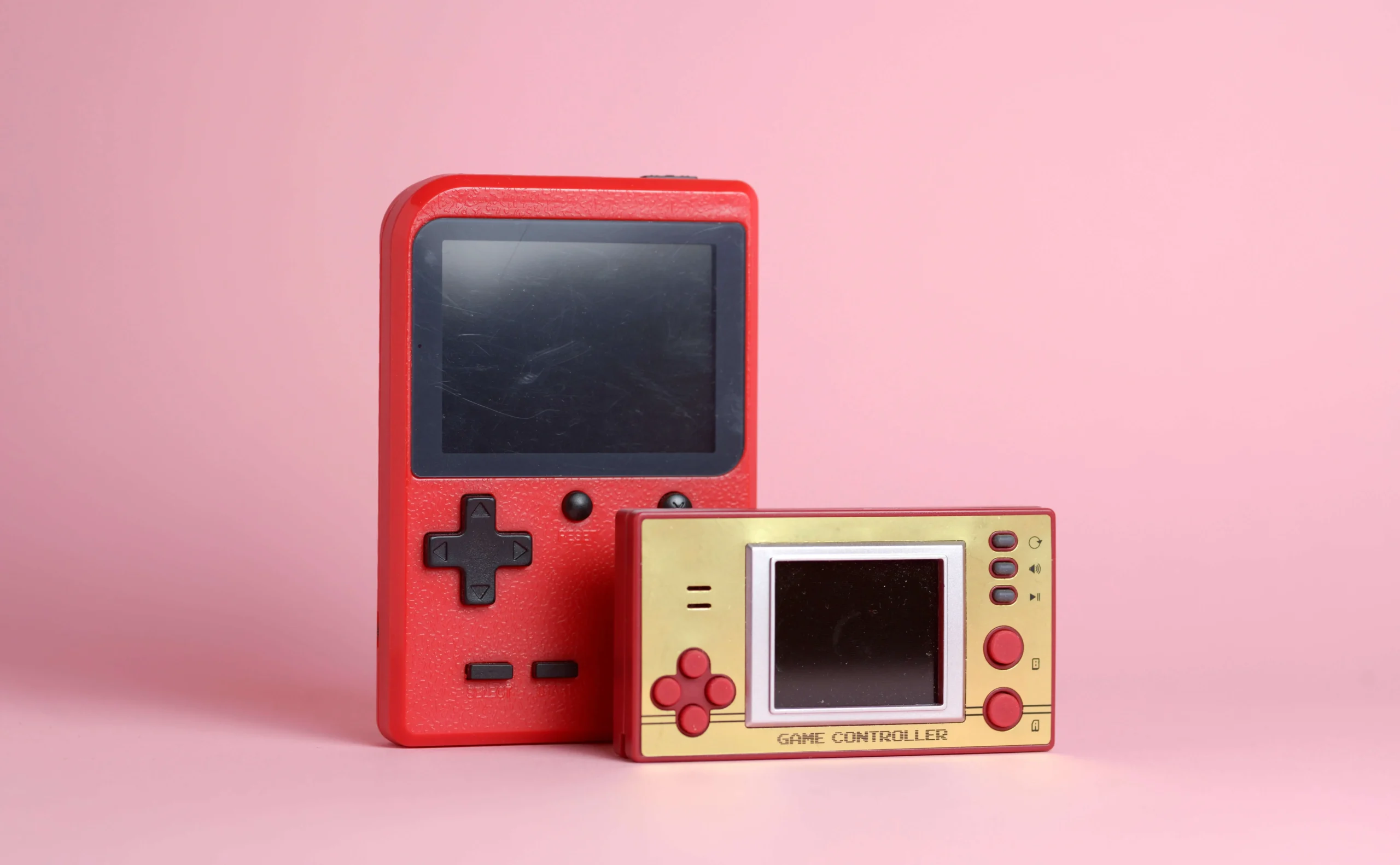
Although the platforms and content of such games have evolved in line with technological advances (desktop computers, home consoles, then hand-held consoles, laptops, tablets and smartphones), this unique cultural practice has profoundly marked and enriched our society.
In recognition of this cultural heritage, various organisations and collections came together to launch the project to create the world’s largest collection. This resulted in a scientifically rigorous database dedicated to the history of video and computer games.
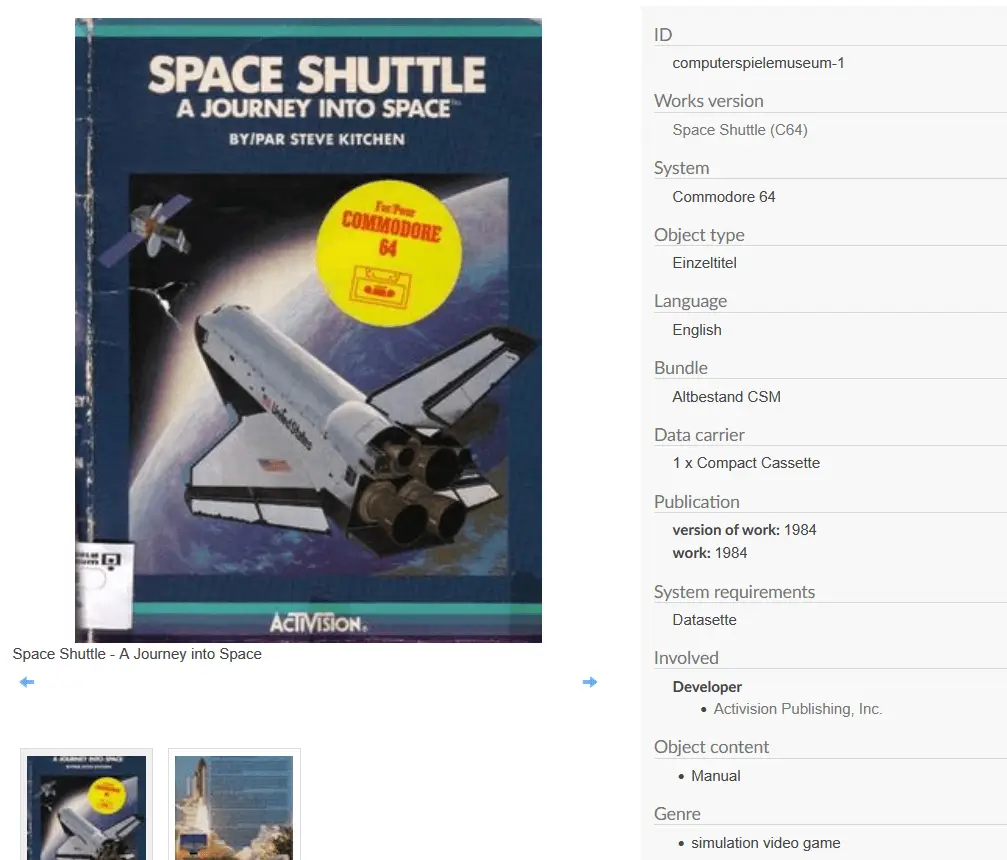
Heritage expertise that is still relevant today
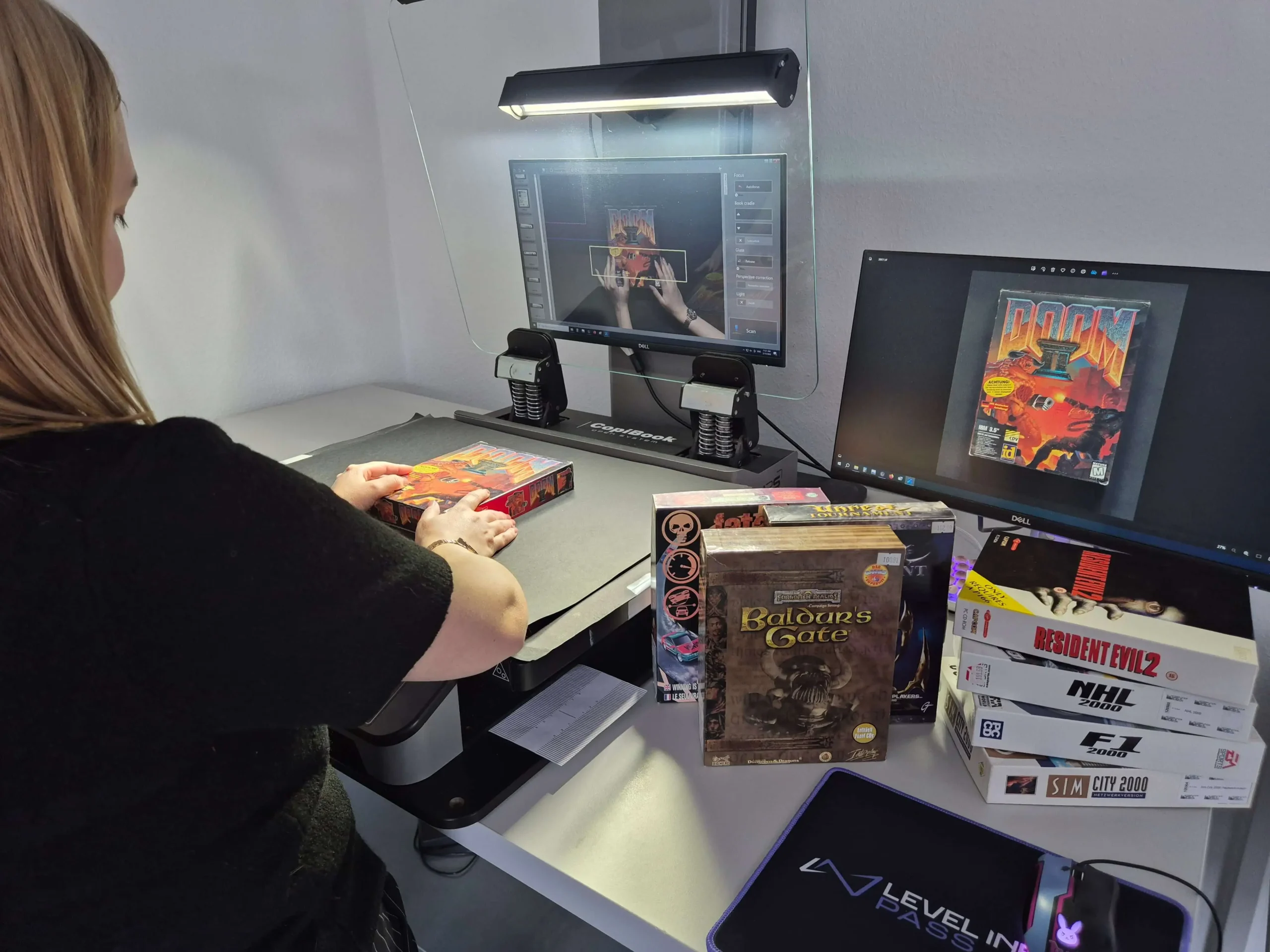
Our processes remain fundamentally similar since we work using a structured approach, based on a complete production workflow. This encompasses everything from the logistics planning for the collection and return of documents, to establishing a special configuration for consistent digitisation across various formats, and the final delivery of validated digital copies.
In order to guarantee the most faithful digitisation possible of the packaging, we mainly use flatbed scanners designed specially for historical documents. The creation of colorimetric charts to guarantee the colour fidelity, adjusting the focus of the camera and providing test files for prior validation by the client are also part of our standard tasks and processes. MEMORIST’s digitisation experts approached this project with the same enthusiasm and care as for the digitisation of ancient manuscripts or historical archives.
In total, MEMORIST has created over 40,000 images of 6,500 video and computer game packages for the ICS. Some packages, measuring up to A4 size, were digitised in high resolution on all six sides before being provided digitally to ICS for publication online.
Creating a comprehensive archival description for these collections
The packaging images will then be assembled into a virtual 3D model using an automated process.
The method of digital preservation and description adopted for this project complies with current archival principles, making the descriptive metadata of the documents accessible online in accordance with scientific standards.
The online availability of the packaging images and comprehensive information on the publishers, the years of publication and the system specifications make the ICS online database a vital reference tool, not only for academic research and computer enthusiasts, but also for the general public.
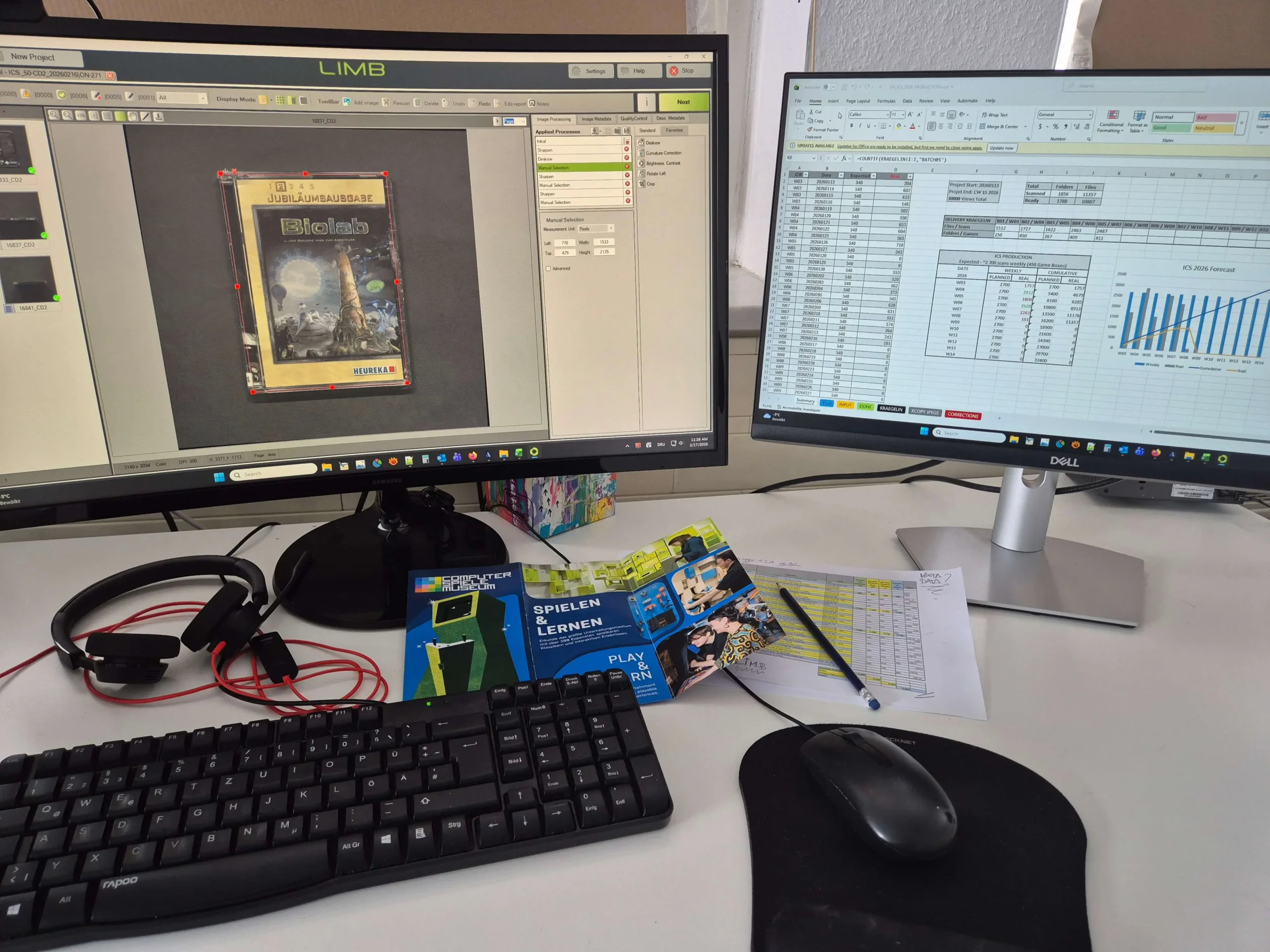
A project supporting MEMORIST’s development in Germany
This exciting project showcases MEMORIST’s capacity to adapt to the specific requirements of a diverse range of clients, whether they are public archives, libraries, museums or corporate archives. This latest project has enabled us to demonstrate, once again, our expertise and flexibility, thus contributing to the preservation of cultural heritage in Germany.
For MEMORIST, this project is an important new milestone in our history, adding to a series of successful projects for the town of Dessau-Roßlau, the German National Library, the German Museum of Books and Writing in Leipzig and the Austrian National Library.
If you would like to find out more about our expertise and our projects, please click here.
If you would like to talk to us about a project, please click here.